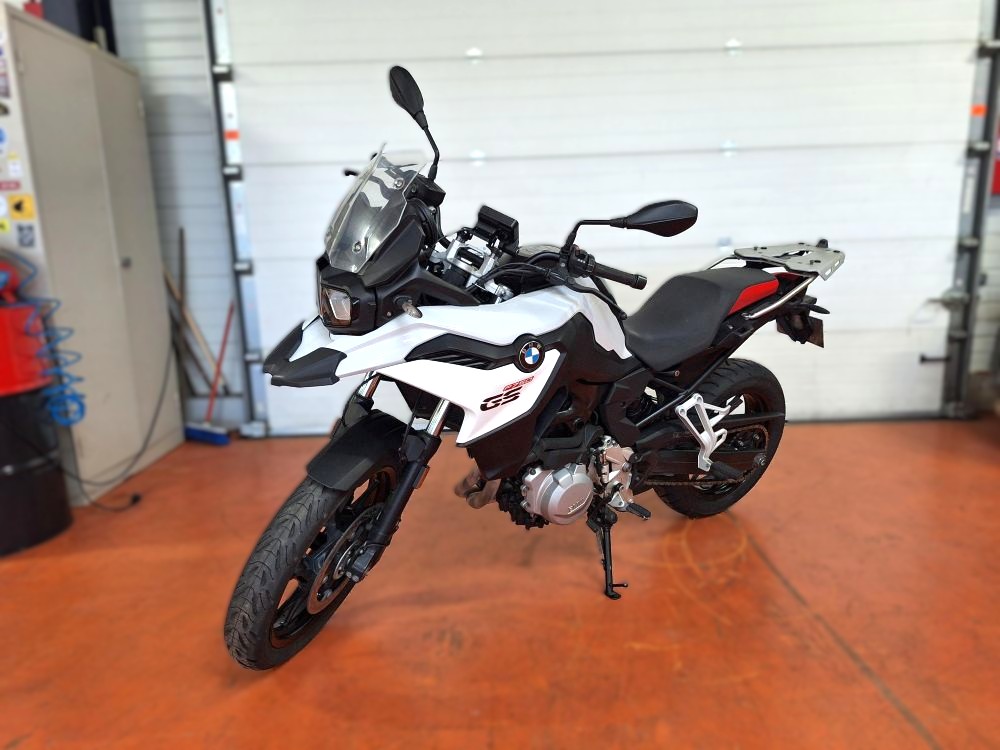
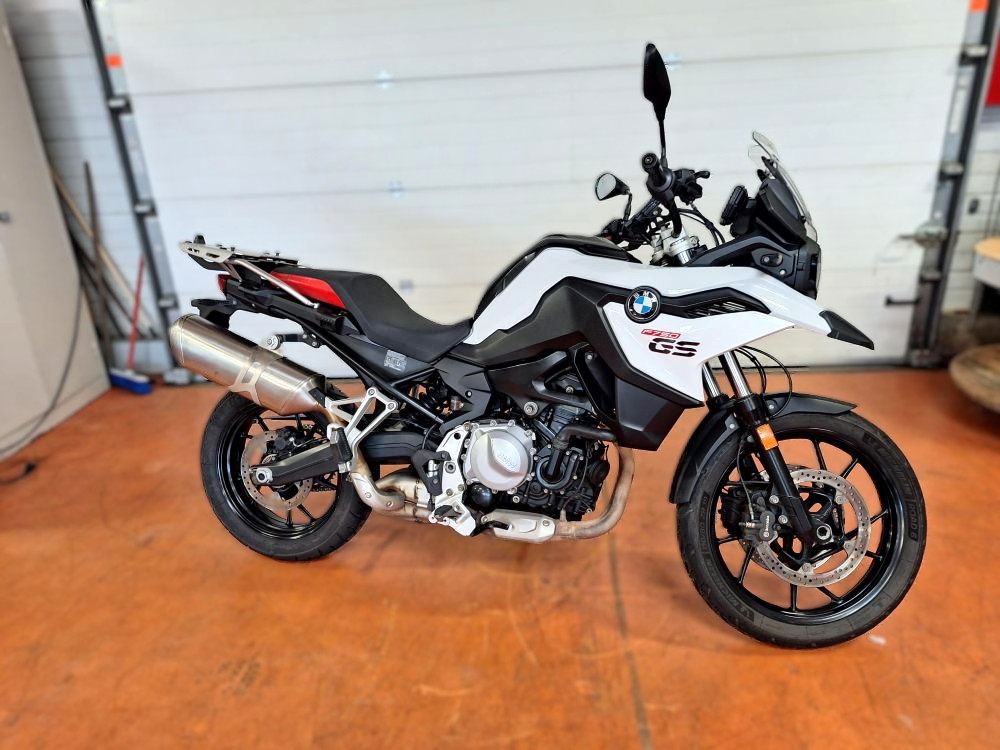
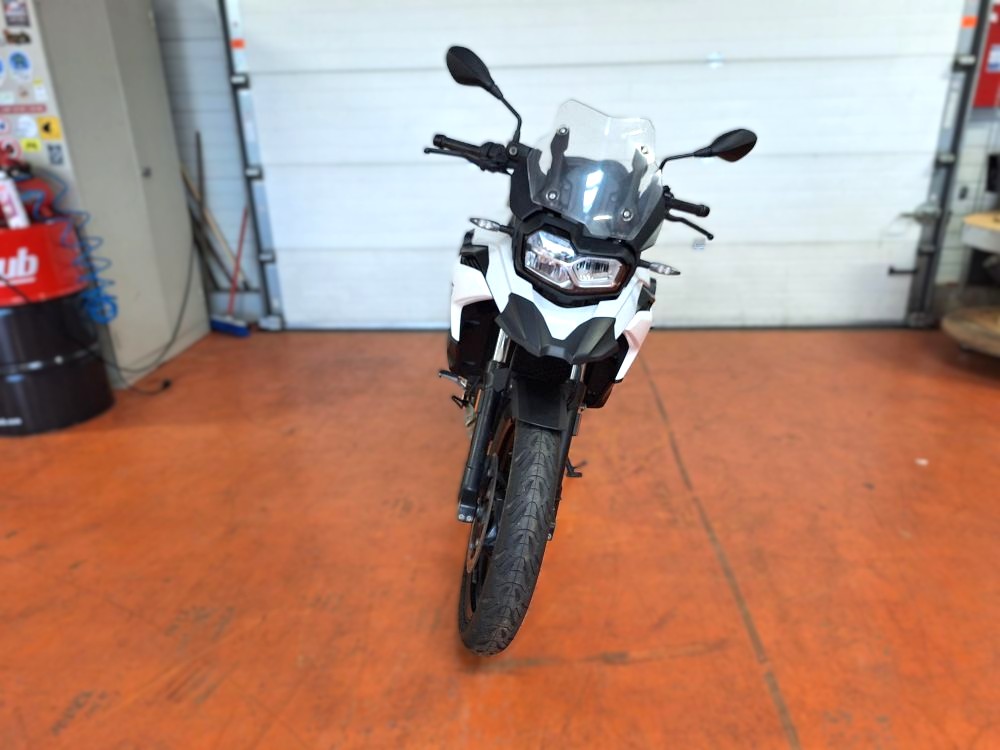
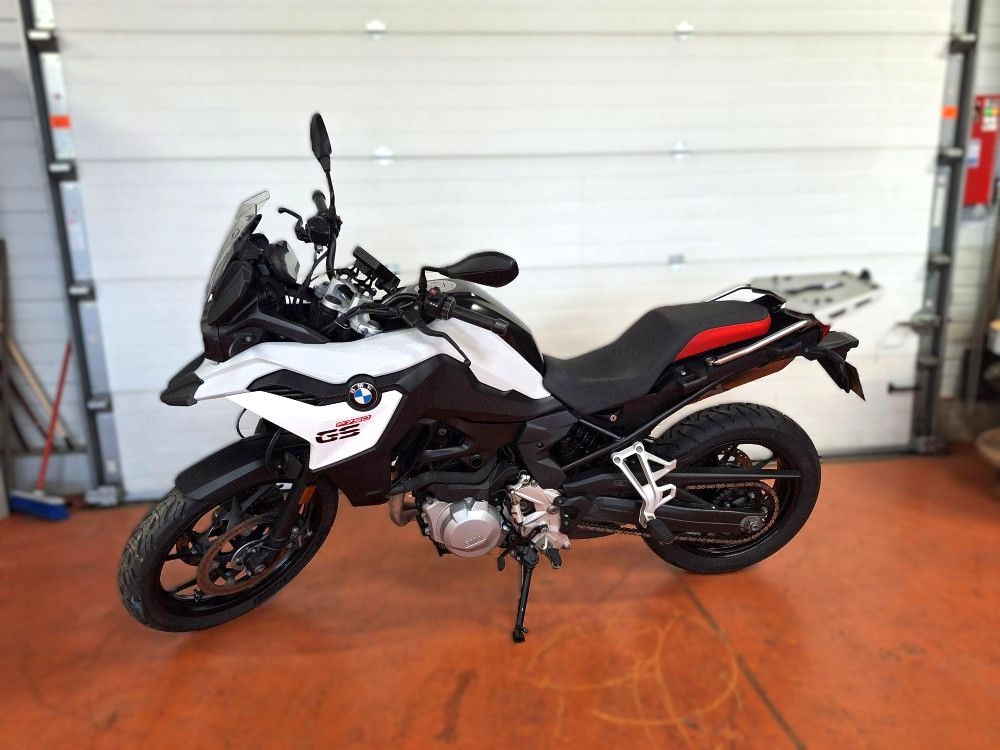
BMW 750 GS n°2 – 5500€
Motorcycle available through our buy-back program or for direct purchase
Motorcycle sold with top box and panniers ; low frame
Year of first registration: 2019
Mileage: 70.678 km
Specifications:
- Engine: 853 cc twin-cylinder – 77 hp / 83 Nm
- Transmission: 6-speed gearbox
- Weight: approx. 224 kg
- Fuel tank: 15 L
- Equipment: ABS Pro, traction control, Rain/Road riding modes, LED lighting, connected TFT display
- Comfort: adjustable seat height (approx. 770–830 mm), upright riding position, well-balanced suspension
- Wheels: 19” front / 17” rear
Photos:
Contact us
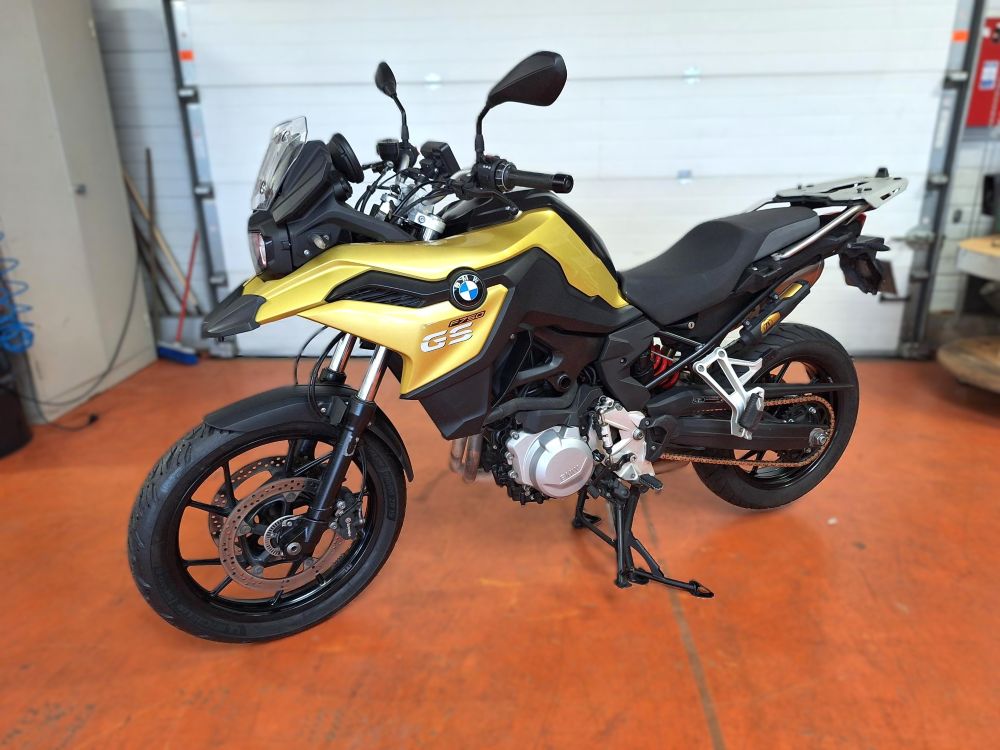
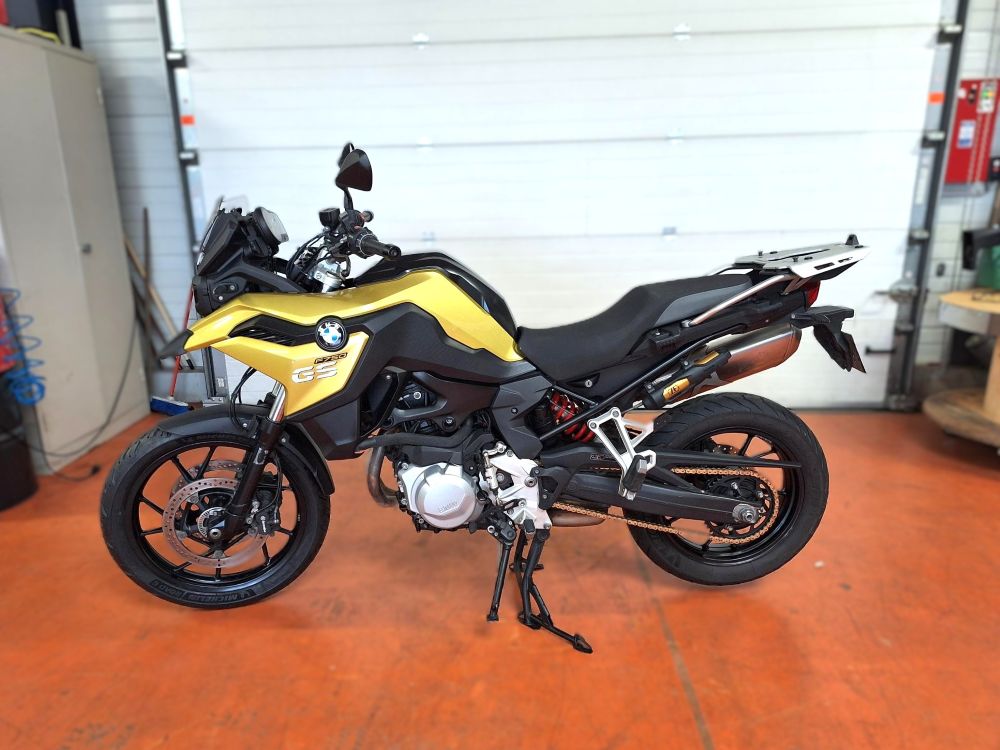
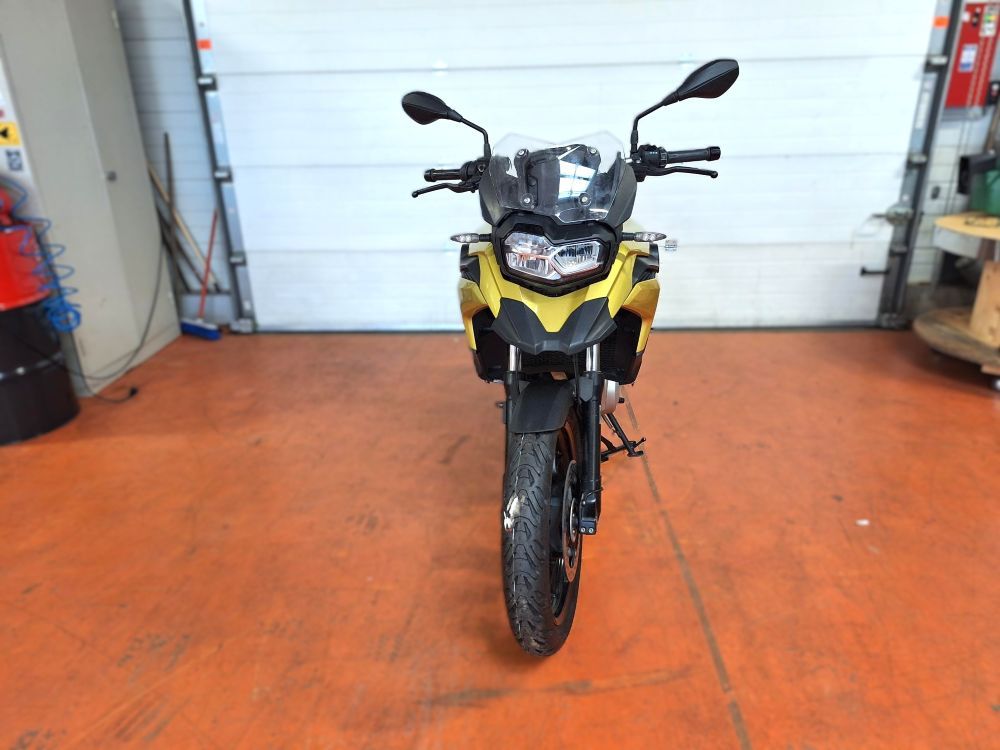
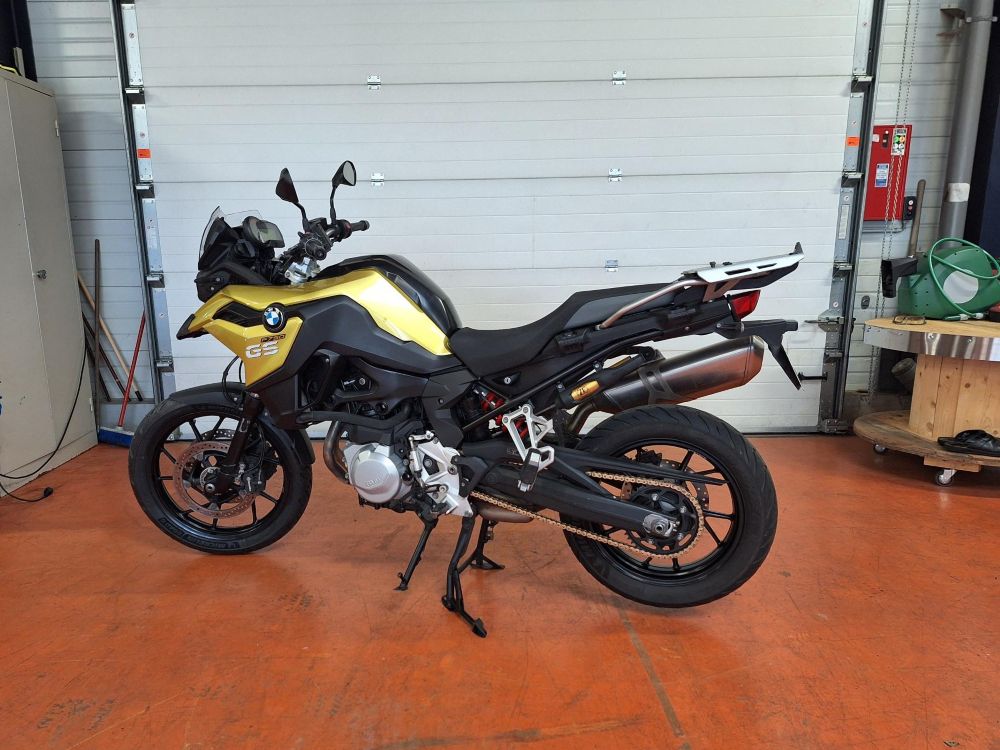
BMW 750 GS n°1 – 5000€
Motorcycle available through our buy-back program or for direct purchase
Motorcycle sold with top box and panniers
Year of first registration: 2019
Mileage: 75.958 km
Specifications:
- Engine: 853 cc twin-cylinder – 77 hp / 83 Nm
- Transmission: 6-speed gearbox
- Weight: approx. 224 kg
- Fuel tank: 15 L
- Equipment: ABS Pro, traction control, Rain/Road riding modes, LED lighting, connected TFT display
- Comfort: adjustable seat height (approx. 770–830 mm), upright riding position, well-balanced suspension
- Wheels: 19” front / 17” rear
Photos:
Contact us
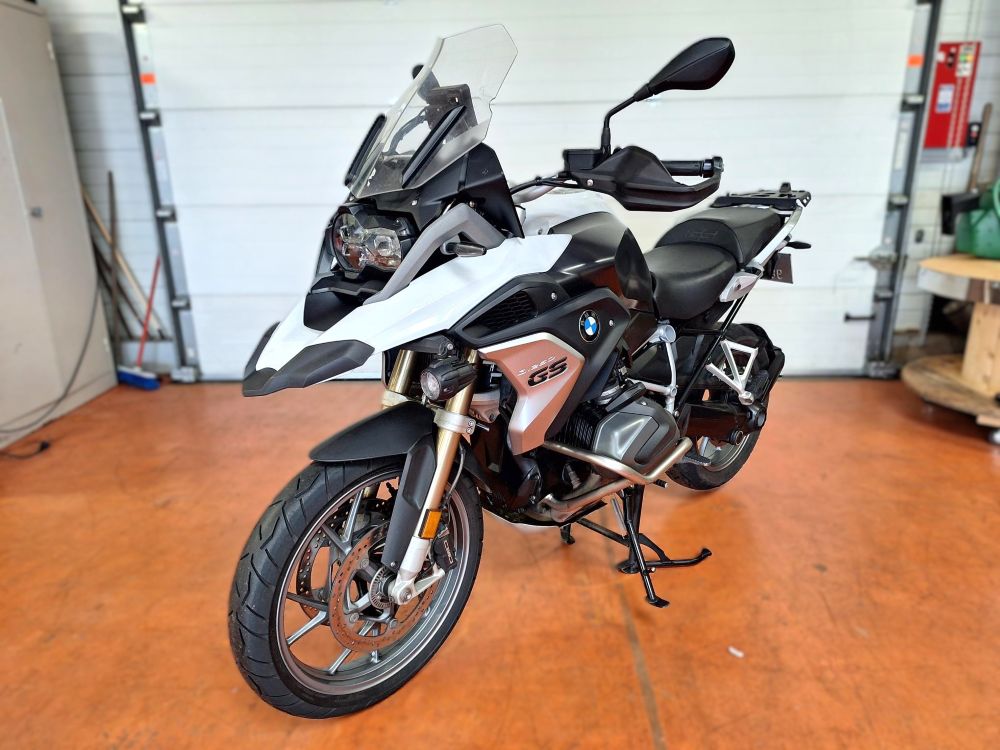
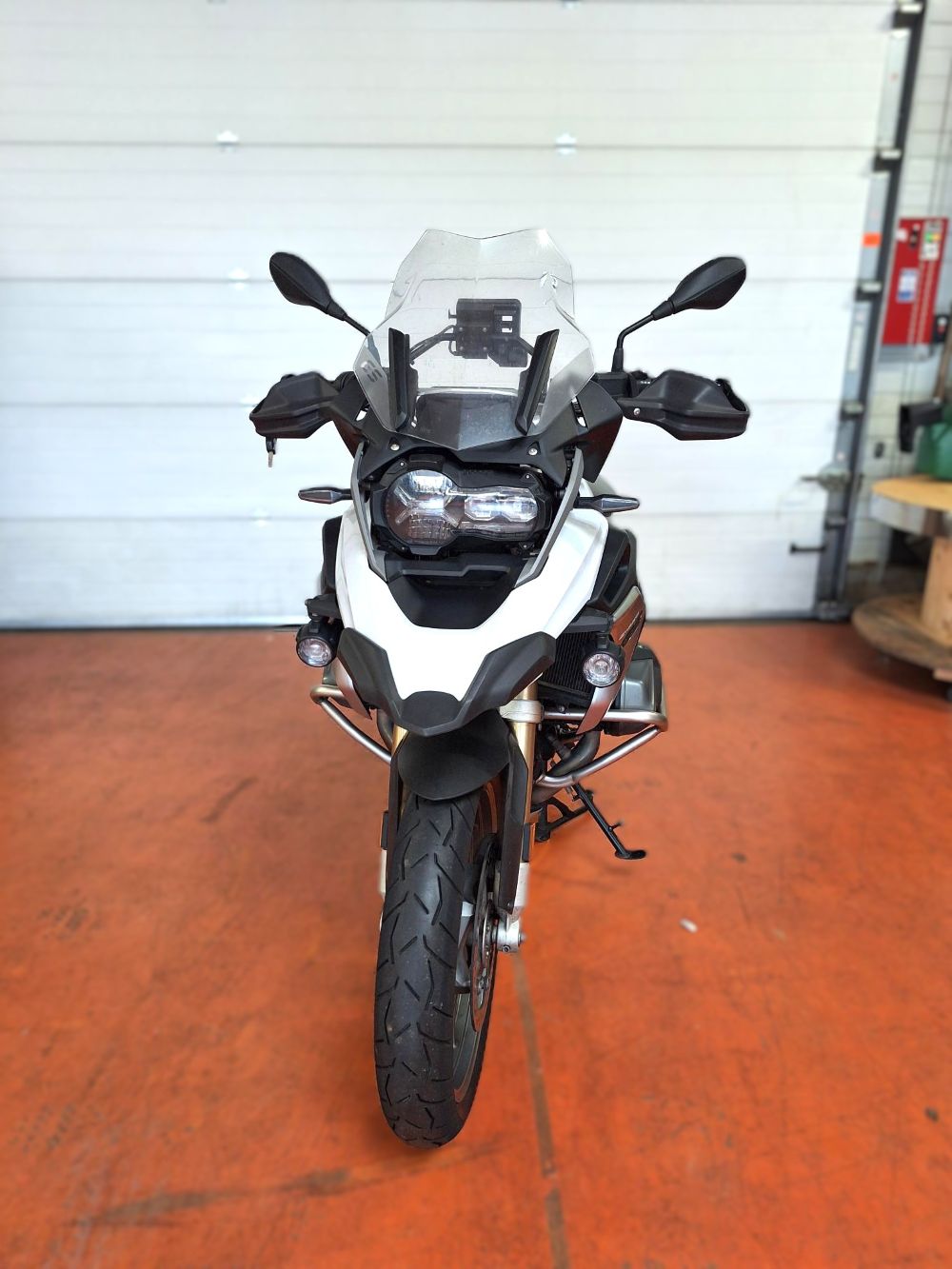
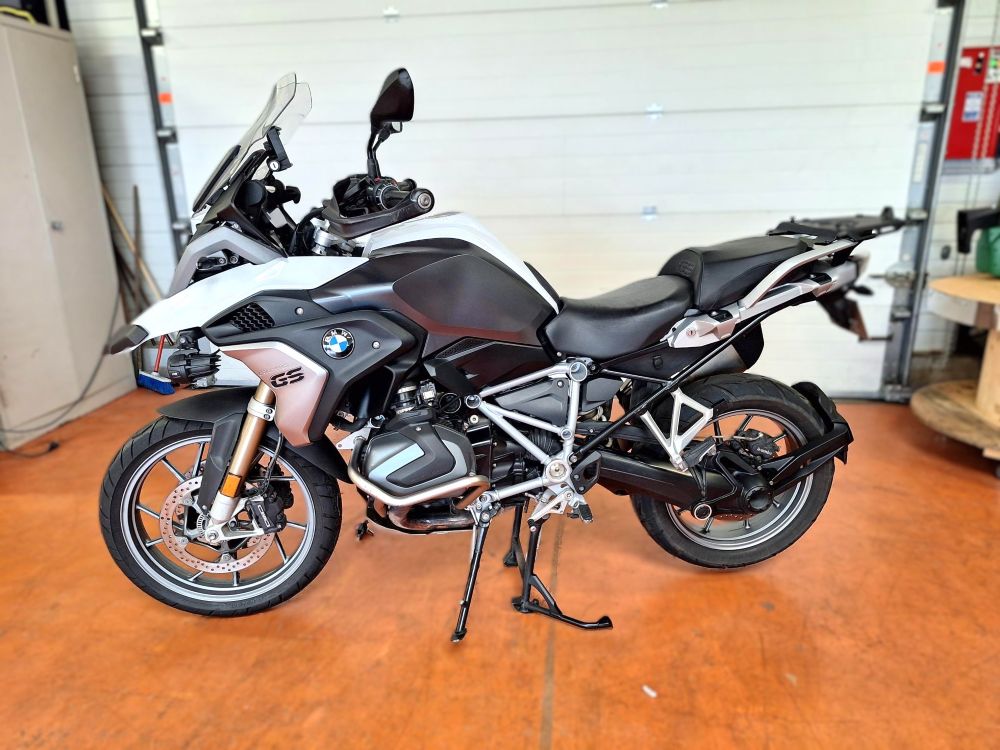
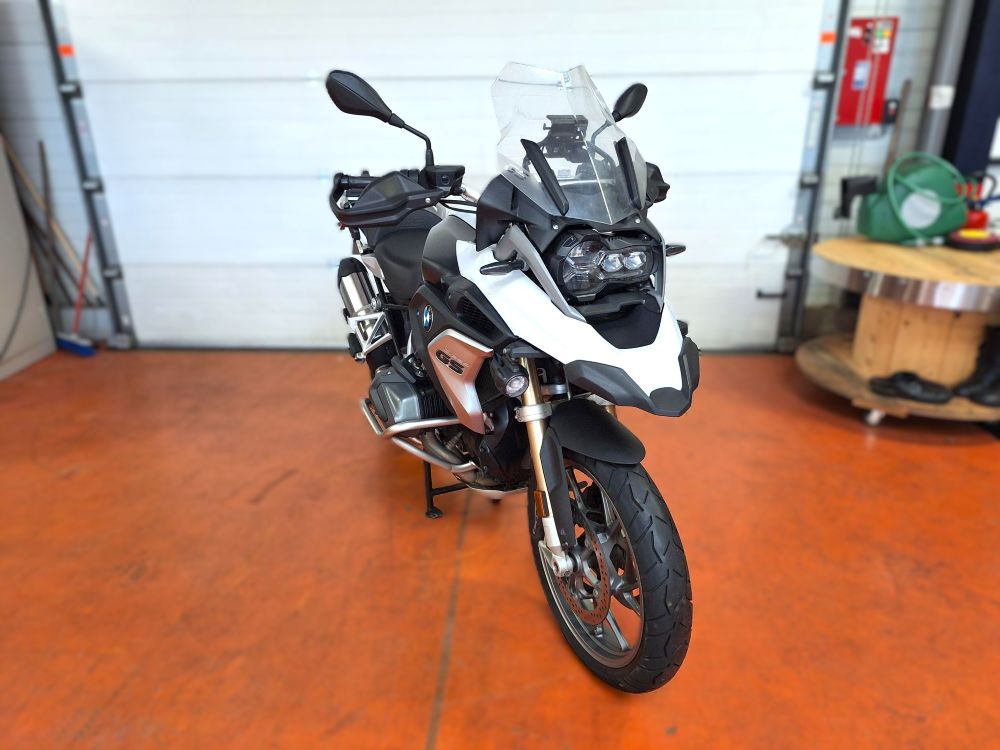
BMW R 1250 GS n°2 – 13500€
Motorcycle available through our buy-back program or for direct purchase
Motorcycle sold with top box and panniers
Year of first registration: 2022
Mileage: 66.928km
Specifications:
- Engine: 1,254 cc boxer twin – 136 hp / 143 Nm
- ShiftCam technology: smooth power delivery and strong performance across the entire rev range
- Transmission: 6-speed gearbox
- Weight: approx. 249 kg fully fueled
- Fuel tank: 20 L
- Wheels: 19” front / 17” rear
- Technology: ABS Pro, DTC traction control, Hill Start Control (HSC), riding modes, ESA electronic suspension, connected TFT display, adaptive LED lighting
- Comfort: adjustable seat height (approx. 800–850 mm), typical GS ergonomics, very effective wind protection
Photos:
Contact us
Can-Am Spyder tour in the Alps, in the Vanoise massif
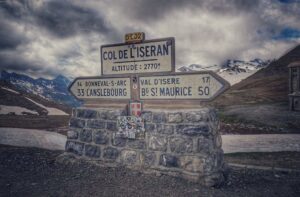
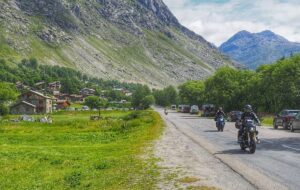
This spectacular and remote region is crossed by only one route, the Col de l’Iseran, which separates the Maurienne Valley from the Arc Valley of the Tarentaise mountains to the north.
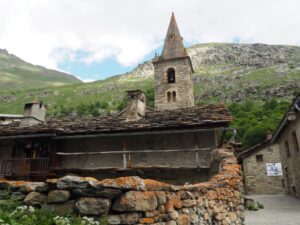
The landscape is marked by a stark, rugged grandeur, reflected in the solid stone houses built to withstand the harsh climate.
The area is very popular with motorcyclists from across Europe who begin their Alpine crossing on the Route des Grandes Alpes, and it is also perfectly suited to high-mountain hiking.
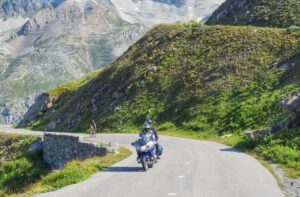
The most beautiful stages of your Spyder road trip in the Vanoise, in the heart of the Alps.
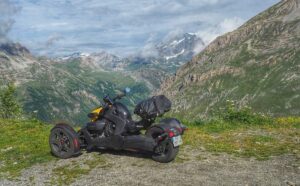
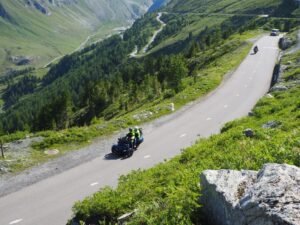
Bessans
This village lies on a small high-altitude plain surrounded by steep mountains. Wherever the eye turns, the view is filled with glaciers, snowfields, or foaming waterfalls cascading down from the heights.
Bessans, in the heart of the Maurienne Valley, has preserved much of its traditional character and features several charming old houses, even though it has become an increasingly popular winter sports resort.
Above the village stand the church and the Saint-Antoine Chapel. The church houses several 17th-century statues, while the chapel is particularly noteworthy. It contains fine examples of the ornate art found in the Arc Valley, along with a Renaissance-style ceiling, wooden statues, and 15th-century frescoes.
Bonneval-sur-Arc
One of the most beautiful villages in France in the Vanoise region.
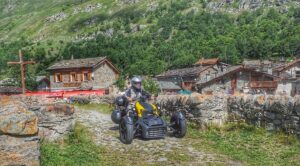
Bonneval, at the foot of the Col de l’Iseran, is one of the oldest villages in the French Alps.
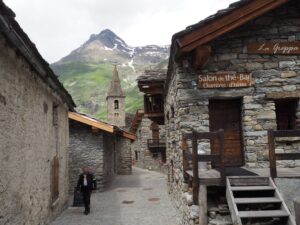
Telephone lines, power cables, and television antennas are all buried underground, and only village vehicles are allowed to circulate.
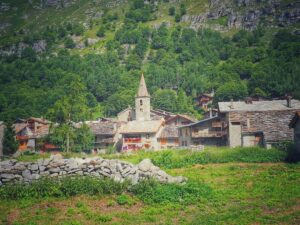
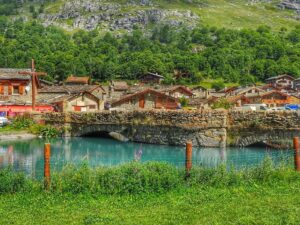
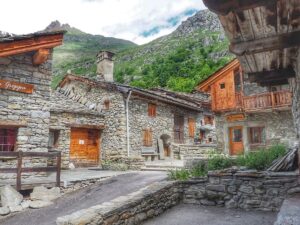
The houses nestle closely together, as if to protect one another from the harsh climate, and the rust-colored flat stone roofs are almost works of art. Wooden balconies and old doors complete this rustic scene, seemingly preserved from another century.
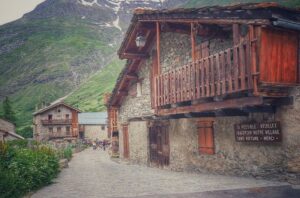
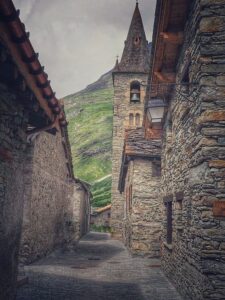
At the center of the village stands the Grande Maison, a large historic chalet housing the butcher’s shop, the bakery, and an information center.
On the way out of the village, you can purchase regional cheeses such as Emmental and Beaufort.
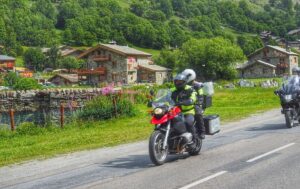
The hamlet of L’Écot is perched on the mountainside above Bonneval-sur-Arc and lies right on the edge of the Vanoise National Park.
Crossing Europe’s highest mountain pass by motorcycle: the Col de l’Iseran
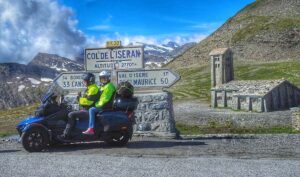
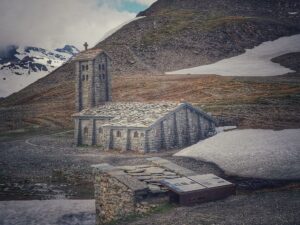
The Col de l’Iseran, the highest mountain pass in Europe, is a stark and austere place. From Bonneval, the road winds and twists its way up steep slopes—offering fine views over the village—before climbing nearly 1,000 meters from the valley floor to the pass itself.
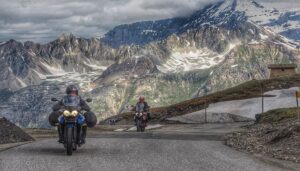
There are several outstanding viewpoints along the way, such as the Belvédère de la Maurienne, just after the Pont de la Neige tunnel, offering a remarkable panorama over Mont Albaron, the snow-covered pyramid of Pointe de Charbonnel, Pointe de Ronce, and the impressive ridgeline of the Mulinet massif.
Snow remains abundant near the pass, and summer skiing is possible on the well-marked Grand Pissaillas Glacier. Snow can fall at any time of year, and the road is almost always closed from November to June.
At the pass itself, there is a small shop designed to help motorcyclists cope with the extreme climate, as well as a small church built in 1939, three years after the road was opened.
Compared with many other Alpine passes, the scenery here is stark and unwelcoming. The finest viewpoint is Pointe des Lessières, the peak located to the west of the summit.
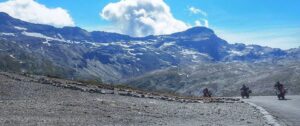
Hiking is reserved for experienced and well-equipped walkers; others should limit their walks to the immediate surroundings of the pass.
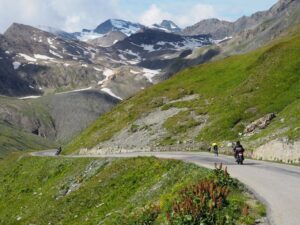
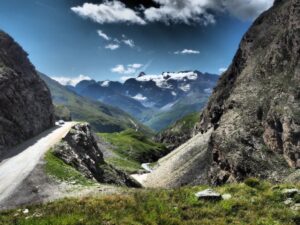
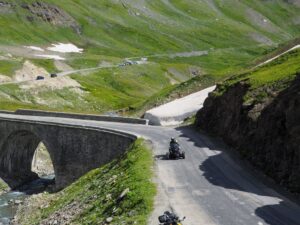
The road climbing to the pass from Val d’Isère becomes, during the season, a favorite playground for photographers, who will be sure to capture you and your motorcycle as you negotiate the hairpins of the pass. Don’t forget to smile!
Avérole Valley
This magnificent valley in the upper Maurienne is home to remarkably well-preserved villages such as La Goula, Vincendières, and Avérole. It is dominated by Pointe de Charbonnel, whose glaciers stand like majestic sentinels overlooking the rocky escarpments below.
The region is wild and desolate, with large patches of snow—remnants of winter avalanches—often lying beside the road well into summer.
Vanoise National Park
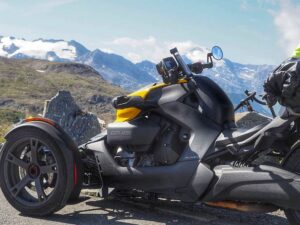
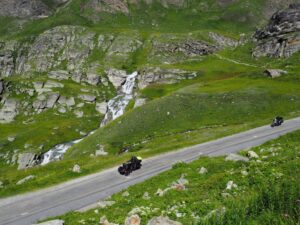
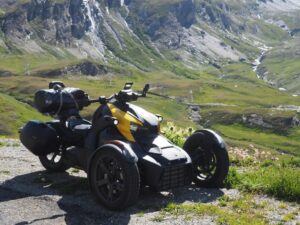
National parks cover 7 percent of France’s surface area and represent a relatively recent contribution to the protection of natural landscapes. The Vanoise National Park was the first to be created, in 1963.
Situated between the high valleys of the Maurienne and the mountains of the Tarentaise, the Vanoise reaches an altitude of 3,855 meters, with its lowest point at 1,280 meters.
A wide variety of rock types has given rise to an equally rich diversity of flora and fauna, making the alpine and subalpine zones particularly interesting. These areas are home to chamois, ibex, golden eagles, and a splendid range of alpine plants.
The chalets of the Maurienne
The high valleys of the Maurienne are home to small villages that have survived and developed despite a challenging environment. Their hardy inhabitants adapted by building homes capable of withstanding the harsh climate.
The traditional permanent chalet, located at lower altitudes, is usually built of stone and wood and includes barns for hay and tools. Higher up, chalets are built entirely of stone; people and livestock share the same structure, with hay stored at the back of the house for winter use.
The roofs are often remarkable, covered with heavy slate slabs known as lauzes.
Where to stay during your trip in the Alps?
Planning your road trip in the Vanoise Alps
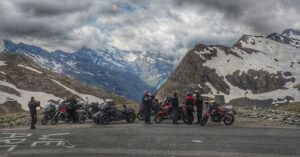
To help you plan your motorcycle weekend, visit the local Tourist Office website. You’ll find all the practical information you need, along with suggestions for sightseeing and riding itineraries.
Discover the region with the travel agency Ride in Tours.
Join our motorcycle tour on the Route des Grandes Alpes, available as a guided group trip or a self-guided tour, by motorcycle or Can-Am, following these valleys and crossing the Col de l’Iseran.
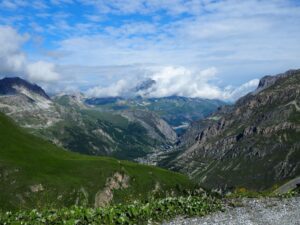
Motorcycle road trip in the Loire Valley between the Indre and the Cher
The Loire Valley and its many tributaries offer a wide range of motorcycle routes, highly appreciated by riders who come to Touraine to discover the famous Loire Valley castles.
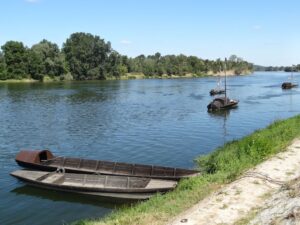
This wooded region is watered by three major rivers—the Loire and its tributaries, the Indre and the Cher. It is rich in mysterious relics from the Romanesque period, towering medieval fortresses, and Renaissance châteaux that mark the transition from regional conflict to an era of national peace. It is also a land of market gardens and magnificent ornamental parks, whose geometric layouts perfectly reflect mankind’s control over nature. A motorcycle journey through what is often called the Garden of France.
A motorcycle getaway to the most beautiful châteaux of the Indre, the Cher, and the Loire
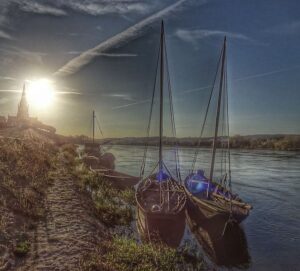
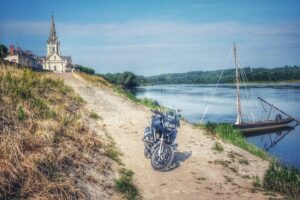
Azay le Rideau
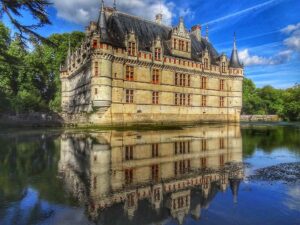
The elegance of Château d’Azay-le-Rideau, rising above the waters of the Indre River and partly nestled among trees, is certainly one of the most familiar sights in the Loire Valley. The charm of this delightful early 16th-century Renaissance jewel, conceived as a residence rather than a fortress, is undeniable. Its delicacy provides a pleasing contrast to the grandeur—and sometimes the pomp—of many other châteaux in the region.
The exterior and its setting are remarkable, though difficult to fully appreciate from the road, making a visit essential despite Azay’s great popularity. The small town also features an interesting 11th-century church, Saint-Symphorien, with its unusual gabled façade.
The village of Azay itself is lively and elegant, with upscale shops and restaurants, yet it retains its charm. The mills and houses along the water are well worth seeing. Quiet roads following the river to the east and west of the town are a real pleasure to ride and allow you to escape the crowds.


Rigny-Ussé, the castle of Sleeping Beauty
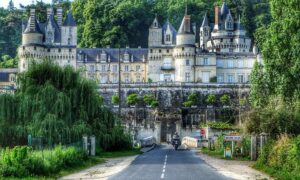
The Château d’Ussé can only be approached from the north, via the small road that follows the southern bank of the Loire. From afar, its extraordinary forest of towers, machicolations, and turrets set against wooded hills seems to rise straight out of a fairy tale—and Ussé was indeed the model used by Charles Perrault for the castle in Sleeping Beauty.
Originally a medieval fortress, Ussé was steadily enlarged between the 15th and 18th centuries, yet its white façade displays remarkable harmony. The château is privately owned; its interior is interesting, but its most notable features date from the Renaissance, especially the 16th-century chapel and the Aubusson tapestries depicting the life of Joan of Arc.
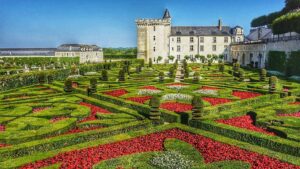
Château de Villandry and its French formal gardens
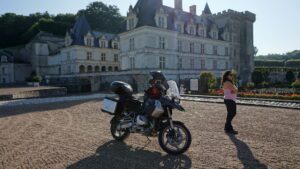
Villandry was built largely in the 16th century, yet it retains the great keep of the original medieval fortress. Extensively restored in the 19th century, the château stands proudly above the confluence of the Loire and the Cher.
While the interior holds limited interest, the gardens—Villandry’s true glory—are unforgettable. Entirely recreated at the beginning of the 20th century by Dr. Carvallo, they represent the finest example of 16th-century French formal gardens.
Three terraces overlook the Cher: the water garden, the ornamental garden, and the kitchen garden, with geometric beds in Renaissance patterns, enhanced by boxwood arabesques, pathways, and canals. Villandry is a masterpiece of symmetry.
Cinq-Mars-la-Pile
This small riverside village, set below the main road, takes its name from the great tower that rises at its entrance. This massive square “pile”, standing 30 meters high and topped with four small pyramids, dominates the ruins of a medieval fortress above the confluence of the Loire and the Cher.
The monument, of uncertain origin, is built of stone and mortar and faced with brick. Some believe it dates back to Roman times, others to a much earlier period, and still others to the Middle Ages. The reasons for its construction—and what it was meant to represent or commemorate—remain a mystery.
Langeais: from medieval fortress to Renaissance residence
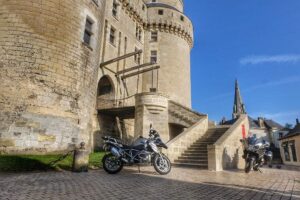
Despite traffic, the best way to enter Langeais is still from the Loire, with the bridge leading directly into the old town and up to the château. Its austere exterior should not deter visitors, as behind the severe façade lies an elegant and well-furnished Renaissance residence, built—unusually—without interruption between 1465 and 1469.
The only remaining trace of the earlier fortress is a ruined keep; everything else was demolished in 1427 on the orders of Henry VI.
Continue your motorcycle escape in the Loire Valley by crossing the Langeais bridge toward Bréhémont, a typical Loire fishing port.

Saché, in Balzac country


A quiet village on the Indre River, Saché is famous for two main reasons. The first is its château, a beautifully situated 16th-century residence near the river, where Honoré de Balzac stayed many times between 1829 and 1838. It was here that he wrote several of his works, including Le Père Goriot (Father Goriot) and Le Lys dans la vallée (The Lily of the Valley).
The rooms once occupied by Balzac are now a museum dedicated to the writer, and his bedroom has been preserved exactly as it was in his time.
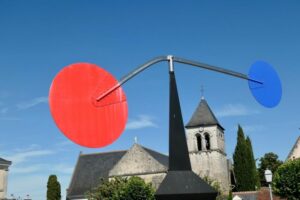
The other, more recent, famous resident of Saché was the American sculptor Alexander Calder, one of whose mobiles can be seen in the town hall square.
Motorcycling through the Indre Valley
East of Azay, the Indre Valley is particularly pleasant and easy to explore via quiet roads, the most attractive of which winds through the trees along the north bank. Crossing old, picturesque bridges, it connects Saché and Pont-de-Ruan, the latter offering the charming sight of two old mills set on small islands.
Further east, also linked to the north bank by a bridge, lies the hillside village of Monts, with its very traditional atmosphere and old-style shops, such as an Art Deco–tiled butcher’s shop façade. Popular with anglers, this peaceful river is also enjoyed by hikers.
Villaines-les-Rochers: the art of basket weaving
Nestled in a valley south of Azay, the charming village of Villaines-les-Rochers is lined with houses along the banks of a small river. Since 1849, the village has been a center of basket weaving, and many residents still work in this craft today.
The cultivation and preparation of willow rods, cut when the stems measure between 80 cm and 2.6 meters, and the making of baskets and objects—an activity carried out year-round—reflect a deeply rooted traditional craftsmanship. Artisans work as families, at home, in small workshops, or at the large cooperative in the center of the village, where visitors can admire and purchase a wide range of traditional and contemporary items. Wicker products are also sold in the small family-run workshops. At the cooperative, a video explains the preparation of the willow and the traditional skills of the basket maker.
The Gardens of the Loire Valley
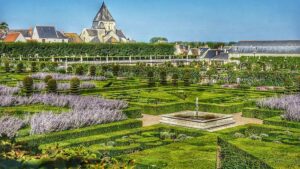
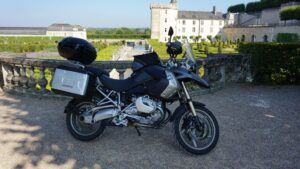
Overflowing with fruit and wine, and flowering even in its smallest villages, the Loire Valley fully deserves its name as the Garden of France. It is also an ideal region for exploring the history of gardening and horticultural techniques. Along the rivers, you can still see the gardens of medieval monasteries, once vital for growing food and medicinal plants.
The great builders of medieval fortresses paid little attention to gardens, but as conflict gave way to lasting peace, castles first became hunting lodges, with the surrounding forest serving as a natural park. They later evolved into elegant and sumptuous residences with structured, grand gardens, designed to reflect mankind’s mastery over nature and to symbolize the triumph of order over chaos.
An unusual visit in the heart of the Indre Valley
The Dufresne Museum at the Moulin de Marnay


As we know, motorcyclists are passionate about anything related to mechanics and engines, whatever the machine. A visit to the Dufresne Museum is therefore a must.
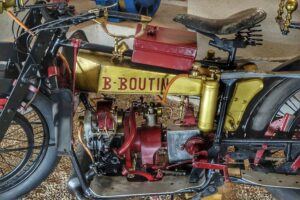
Housed in a former mill on the Indre River, still in working condition, this museum was founded by Maurice Dufresne, a collector and master of salvage. It is packed with vehicles of all kinds, including agricultural machinery, cars, motorcycles, and all sorts of mechanical contraptions.


A true journey through time, showcasing historic machinery to preserve collective memory. Among the highlights are the glider from the film La Grande Vadrouille and a mobile guillotine once used for capital executions. Of course, the museum also features beautifully restored vintage motorcycles.
Where to stay for your motorcycle road trip in the Indre Valley and the Cher Valley?
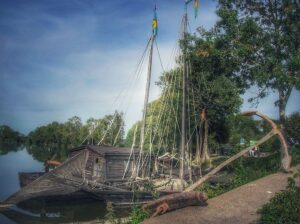
Hôtel Troglododo (3-star hotel)
A small, charming hotel offering six troglodyte rooms. Set in a valley near the village of Azay-le-Rideau, the rooms—carved directly into the tuffeau stone—are tastefully decorated. A warm atmosphere in a peaceful, countryside setting.
Where to enjoy a wine tasting during your motorcycle trip in Touraine?
After visiting Château de Rigny-Ussé, take time for a Loire Valley wine tasting at Vins & Gastronomie, where Eric will introduce you to a most original sparkling Chinon rosé. You’ll also find a fine selection of regional products such as dried pears (poires tapées), cured meats, Tours nougat, and many other local treats to take home for friends.
Where can you find motorcycle roadbooks for your ride in the Indre Valley?
Our partner Mototrip offers a wide selection of free motorcycle roadbooks, covering one-day or multi-day routes.
Motorcycle road trip through the Ardèche Gorges
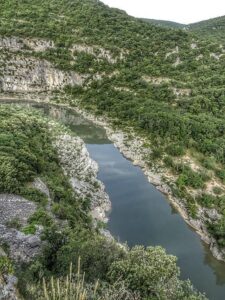
The Ardèche, with its remarkable natural spectacles both above and below ground, offers a striking contrast to the bustle and industry of its neighbor, the Rhône Valley. A sparsely populated limestone plateau covered with forests, it has been shaped by the action of water and offers motorcyclists one of the most beautiful gorges in France, along with a large number of impressive caves.
A breathtaking motorcycle journey—high above and deep below—in the Ardèche and the Rhône Valley.
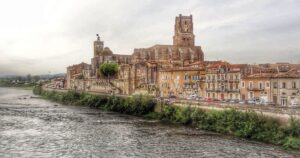
The most beautiful panoramas of the Ardèche Gorges by motorcycle
Vallon-Pont-d’Arc, gateway to the gorges
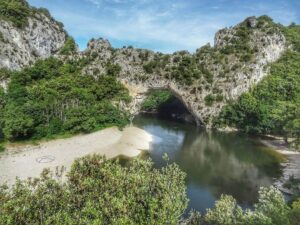
The main tourist hub of the Ardèche Gorges, this town offers a wide range of hotels, campsites, restaurants, bars, souvenir shops, and canoe rentals. For most visitors, Vallon-Pont-d’Arc is the starting point for crossing the gorges, either by canoe or by road.
By wandering away from the crowds, the traveling motorcyclist will discover charming old squares and streets reminiscent of the region’s medieval villages. The town hall, built in the Louis XIII style, displays a fine collection of Aubusson tapestries.
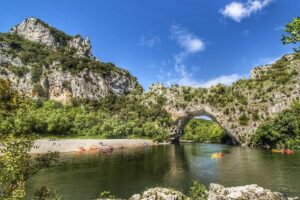
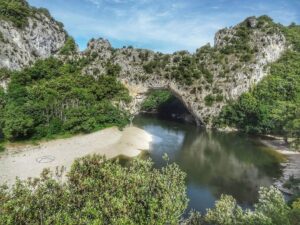
But the most fascinating sight of all is the Pont d’Arc itself—an immense natural stone arch spanning the river at the entrance to the gorges.
Riding through the Ardèche Gorges by motorcycle
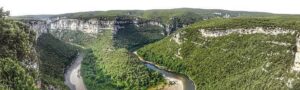
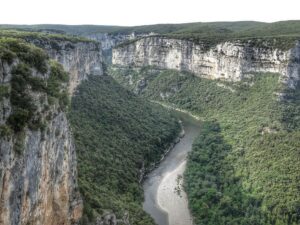
Over a stretch of 30 km between Vallon-Pont-d’Arc and Saint-Martin-d’Ardèche, the Ardèche cuts through one of the most spectacular landscapes of southern France, much of it protected as a nature reserve. Steep limestone cliffs—sometimes rising up to 300 meters—tower above the river, which from autumn to early spring rushes along in swirling white water.
A road runs along the north bank, but the best way to experience the gorges is often from the river itself, especially in spring. In May and June, when conditions are favorable, thousands of visitors make the journey by canoe, usually in a single day. Those who prefer a more relaxed pace can stop at the riverside campsites.
The Belvédère de la Madeleine offers one of the finest viewpoints over the towering cliffs of the spectacular Ardèche Gorges.
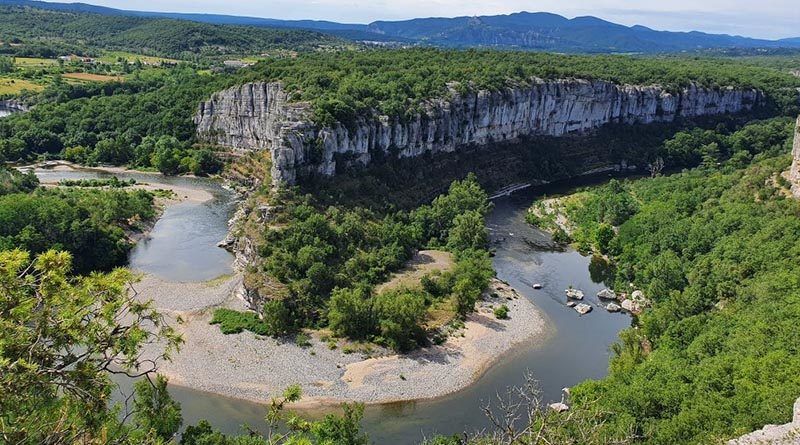
The high Corniche motorcycle road from Saint-Martin-d’Ardèche to Vallon-Pont-d’Arc.
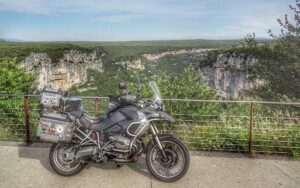
The D290, opened only in 1960, runs alongside the Ardèche Gorges and follows the river’s curves as closely as possible, often high above the cliffs. Numerous viewpoints have been laid out along the route, but the most spectacular section is the Haute Corniche, where almost every bend reveals a stunning view of the river far below.
From the Belvédère de la Madeleine and the Belvédère de la Cathédrale, the panoramas are particularly impressive.
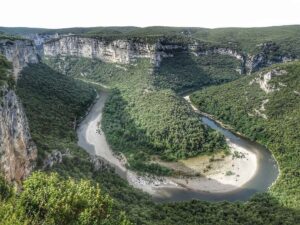
Caves to visit during your motorcycle trip in the Ardèche Gorges
Chauvet Cave
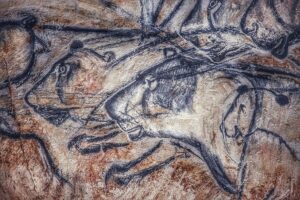
Discovered in 1994 near Vallon-Pont-d’Arc, this unique set of Upper Paleolithic cave paintings was named after its discoverer.
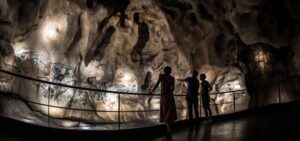
Closed to the public in order to prevent the kind of damage suffered at sites such as Lascaux, it was decided to build a full-scale replica of the cave and its artworks. Opened in 2014, this replica has been a huge success with visitors.
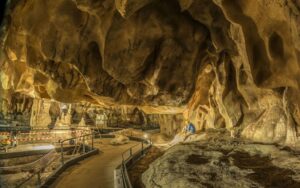
The Aven d’Orgnac
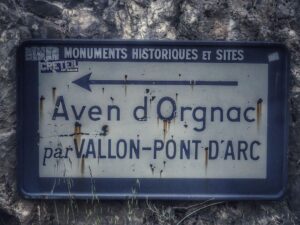
It is the largest cave in Ardèche open to the public, though it represents only a small part—despite its size—of a vast system that is still not fully explored. This vertical-shaft cave (aven) had been known for many years, but it was not until 1935 that the speleologist Robert de Joly first descended into it.
The Aven consists of several chambers, one of which stretches for 250 meters and features magnificent stalactites and stalagmites with extraordinary shapes and colors, some reaching 25 meters in height. These formations grow at a rate of about one centimeter per century.
Aven de Narzal
This chasm, accessed by a staircase descending from the vault, is not as large as Orgnac but is just as beautiful. Carefully placed lighting highlights the shapes and colors and makes the crystal formations sparkle. At the surface, there is a museum dedicated to caves.
The Madeleine Cave
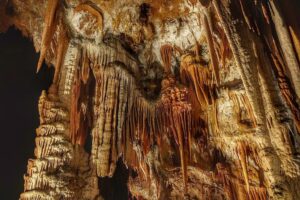
Discovered in 1887, this cave overlooking the Ardèche Gorges has only been open to the public since 1969, shortly after the construction of the panoramic road. Its chambers contain beautiful, richly decorated rock formations—some flowing like water or resembling draperies, others shaped like flowers or coral.
Remains of animals from the Ice Age have also been found in the cave, including reindeer, deer, and bears.
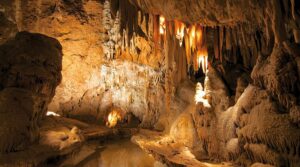
Saint-Marcel Cave
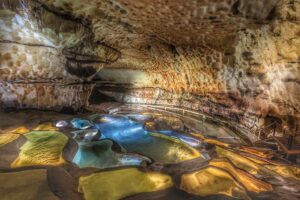
These caves are located near Saint-Martin-d’Ardèche, at the southern end of the gorges. Discovered in 1835, they were only recently opened to the public. Access was initially reserved for specialists, who explored a network extending over more than 20 km. Some vast chambers feature natural vaults and extraordinary formations—small rounded mineral masses embedded in the limestone.
The traditional Ardèche dwelling: the mas
The mas is the region’s typical farmhouse. Relatively low despite having an upper floor, it features stone walls beneath a gently sloping roof covered with Roman tiles. Windows are small to keep interiors cool in summer, yet large enough to let in natural light.
The heart of the house is the kitchen, traditionally centered around the fireplace, sink, and oven, with simple furnishings. Bedrooms—and sometimes a tiled living room—are located upstairs. Outbuildings grouped around a courtyard include a cellar, a pantry, and sometimes a silkworm house (magnanerie), a legacy of the silk-producing era.
Many mas have now been converted into guesthouses, welcoming visitors to the Ardèche.
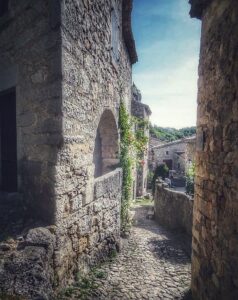
Our partner Mototrip offers dozens of motorcycle route suggestions for the Ardèche region, available free of charge, to help you discover this magnificent area.
The official website of the Vallon-Pont-d’Arc and Ardèche Gorges Tourist Office provides all the practical information you need to plan a successful motorcycle weekend in Ardèche. For a broader regional scope, visit the website of the Ardèche Tourism Development Agency.
