
Alp motorcycle trip : myths and tips
Traveling by motorcycle in the Alps: what nobody tells you before you go
Every year, I see riders arriving in the Alps from all over the world. You can recognize them immediately. The smile, the excitement, the camera mounted on the helmet, and the same sentence that often comes up on the very first evening over a beer: “It’s even more beautiful than I imagined.” And almost always, another sentence quickly follows: “But it’s much harder than I expected.”
Motorcycle Tours in the Alps: When to Travel?
The Alps are not complicated in a negative sense. They are not inherently dangerous. They are simply demanding. Physically, mentally, and technically. Here, you do not ride on autopilot. You link together tight corners, climb, descend, brake, accelerate, constantly working the clutch and engine braking. Even very experienced riders quickly realize that a day in the Alps is more tiring than a long desert crossing or a wide American highway.
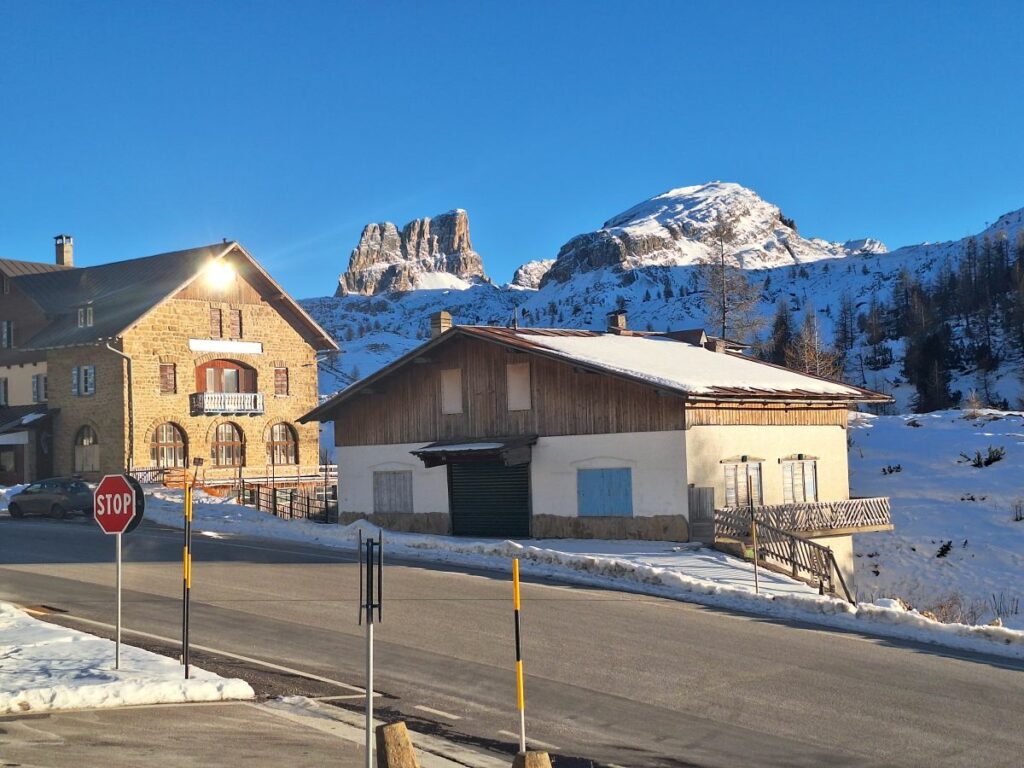
The first real surprise for many riders is the riding season. Many imagine that Europe can be toured year-round. In reality, the mountains decide. Between November and May, a large number of mountain passes are closed. Some reopen early, others much later. And even in June, after a long winter, a few iconic routes can still be buried under snow.
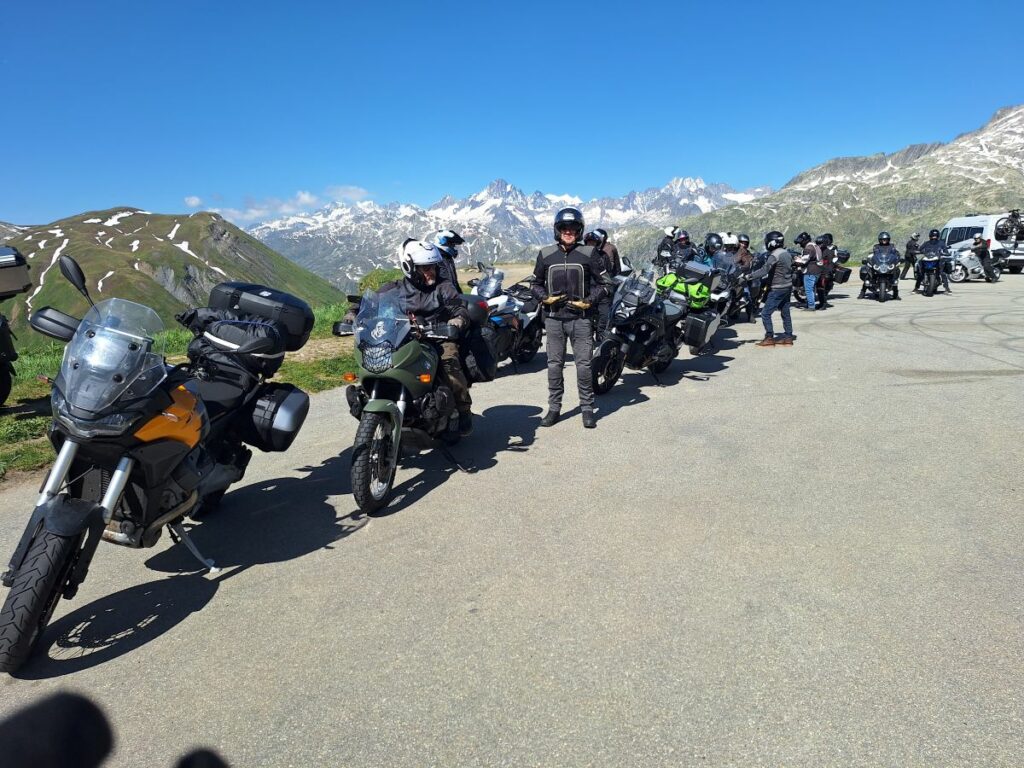
In summer, everything is open, but July and August are also the busiest months. There are people everywhere, many cyclists, many motorhomes, many tourists. Personally, I strongly prefer June or September. The roads are beautiful, traffic flows more easily, and you still have the feeling of having the mountains almost to yourself.
The weather, on the other hand, shows no mercy. In the Alps, you can experience four seasons in a single day. In the morning, you ride in a T-shirt down in the valley. An hour later, you are layering up under your jacket at the top of a pass, with fog rolling in and the temperature dropping fast. Thunderstorms build quickly, especially in summer, and the wind can become serious along certain ridgelines. That is often when travelers realize that gear matters just as much as the motorcycle. A proper waterproof jacket, warm gloves even in the middle of August, a neck warmer, base layers—this is not unnecessary comfort, it is what allows you to keep riding with a smile instead of enduring the day.
Planning Your Budget
When it comes to budget, you need to be realistic. Traveling in the Alps costs more than in many other parts of the world. Fuel is more expensive, mountain hotels are rarely cheap during the season, and restaurants in tourist areas know very well that travelers do not always have many alternatives. It is not a low-cost trip, especially if you are looking for a reasonable level of comfort. But that is also part of the experience and the pleasure of creating your motorcycle journey in the Alps. You do not come only to ride. You come to eat well, sleep well, enjoy the villages, the lakes, the sunny terraces after a long day of switchbacks.
Must-See Sites
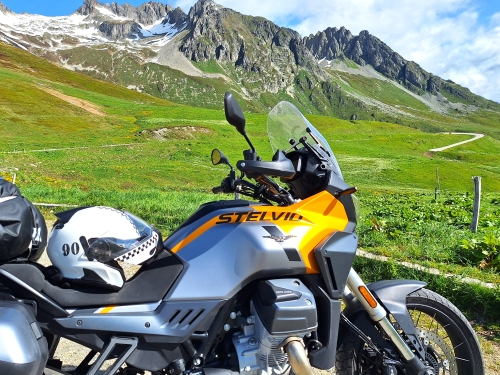
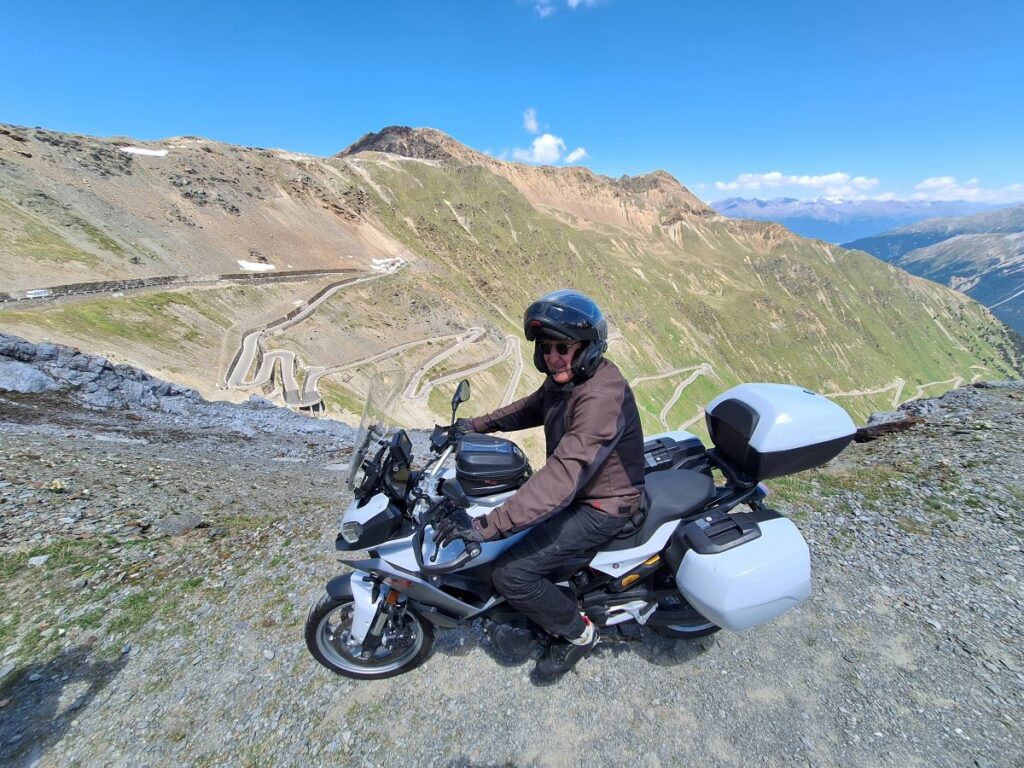
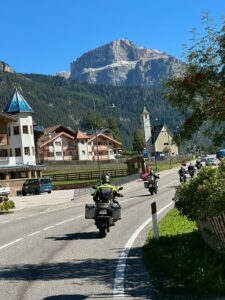
The major mountain passes are the real addiction. Once you have experienced the Col du Galibier, the Col de l’Iseran, the Col de la Bonette, or the Stelvio Pass, you understand why riders speak of these roads as almost sacred places. These are not just roads; they are climbs, panoramas, sensations. Each pass has its own character. Some are wide and flowing, others narrow and technical. Some impress with their altitude, others with their endless series of hairpins. But all of them leave a powerful memory. They are roads you do not forget.
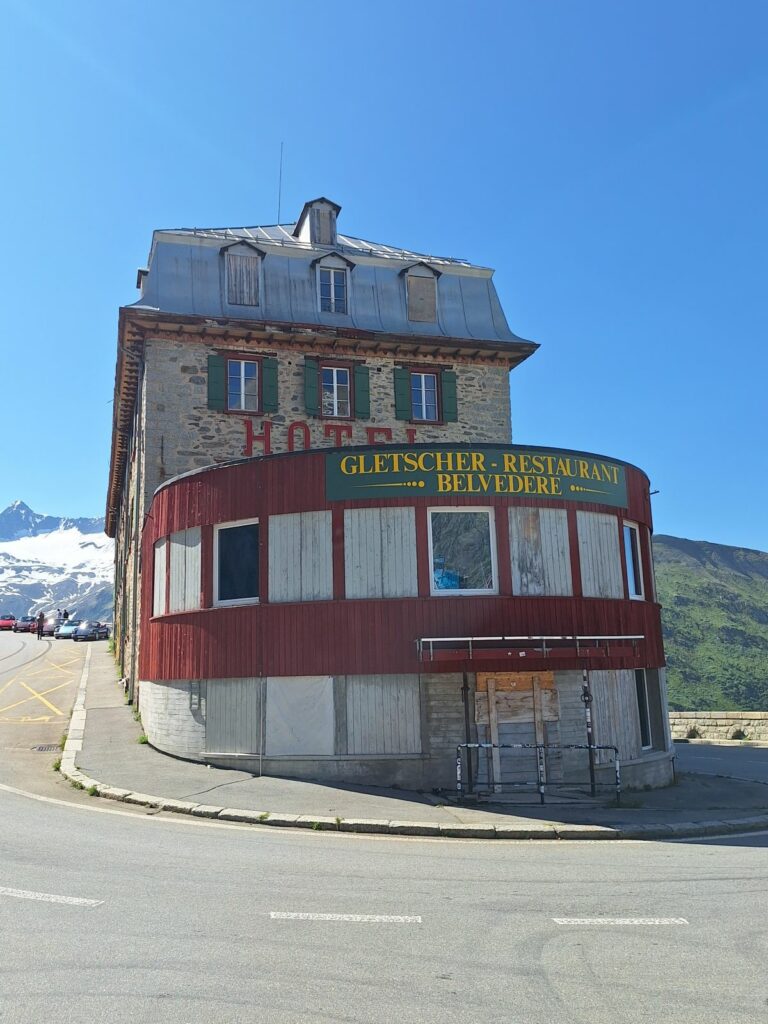
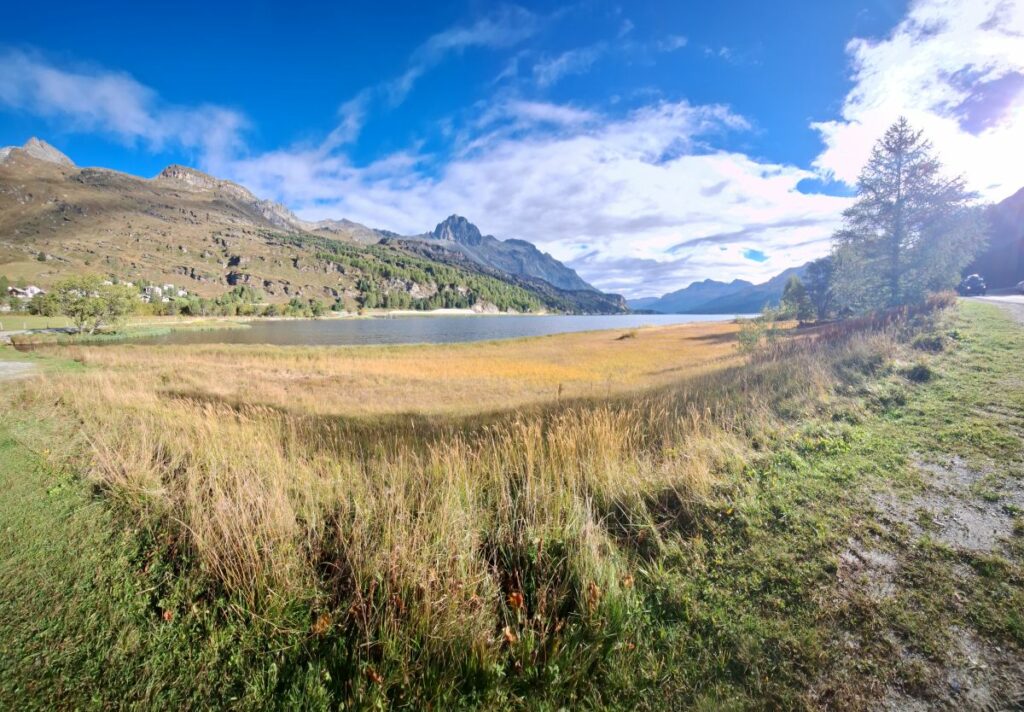
There are also entire routes that have become legendary. The Route des Grandes Alpes in France, the Dolomites in Italy, certain Swiss loops that link three or four passes in a single day, the Grossglockner High Alpine Road in Austria. These are roads designed for pure enjoyment, not performance. Here, you are not trying to set speed records. You are there to savor every corner, every viewpoint, every coffee stop at the top.
How to Ride in the Alps?
First of all, the choice of motorcycle has a major impact on the quality of the trip. Many riders arrive with very powerful machines, thinking that it will make the experience easier. In reality, in the Alps, it is not power that matters, it is balance. A bike that is too heavy becomes exhausting in tight hairpins. A very aggressive riding position strains your back after two days. Limited fuel range forces you to watch the gauge more than the scenery. Adventure bikes, comfortable touring motorcycles, and versatile models are often the most enjoyable. They are the ones that allow you to ride long distances without constantly thinking about the machine.
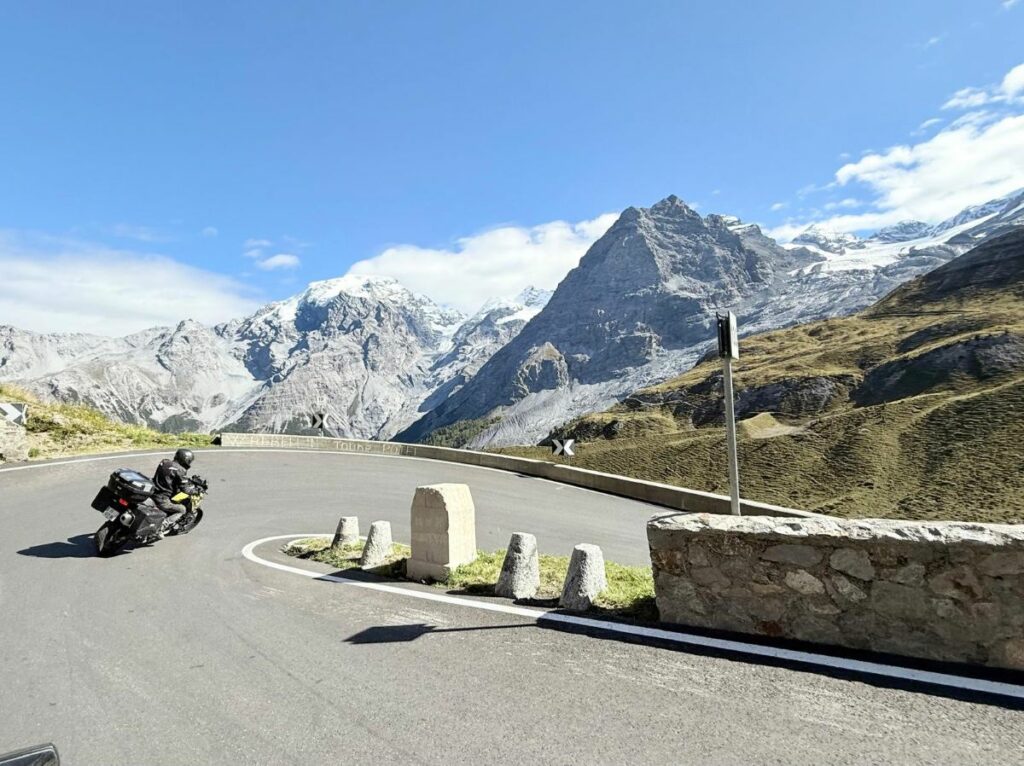
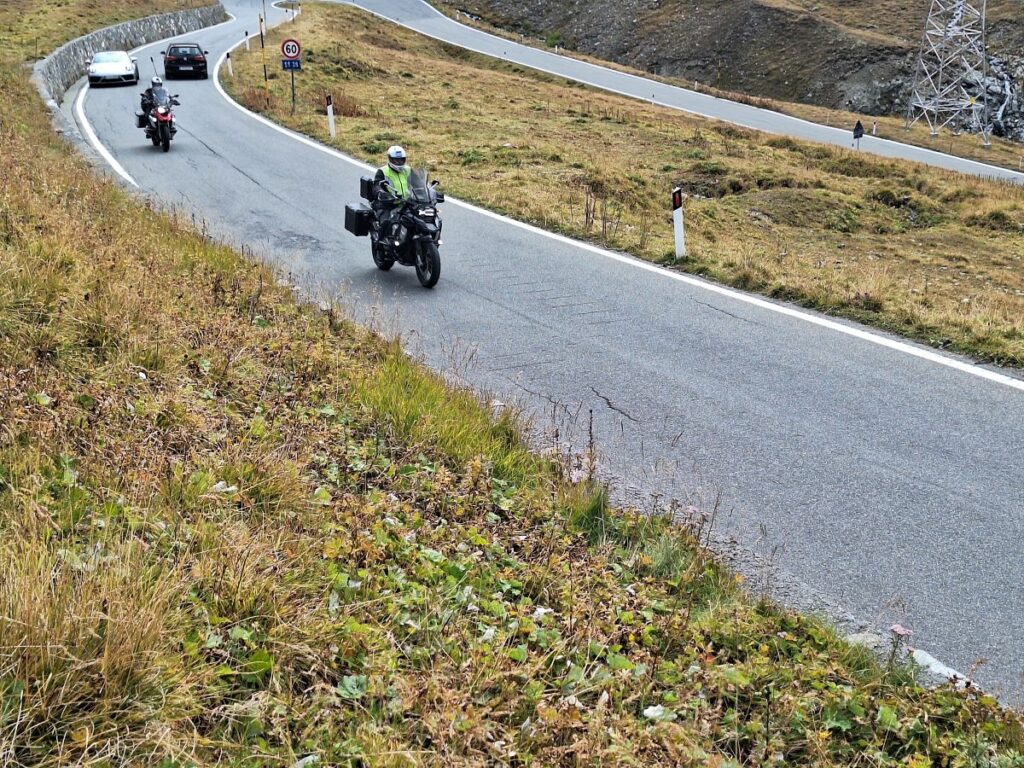
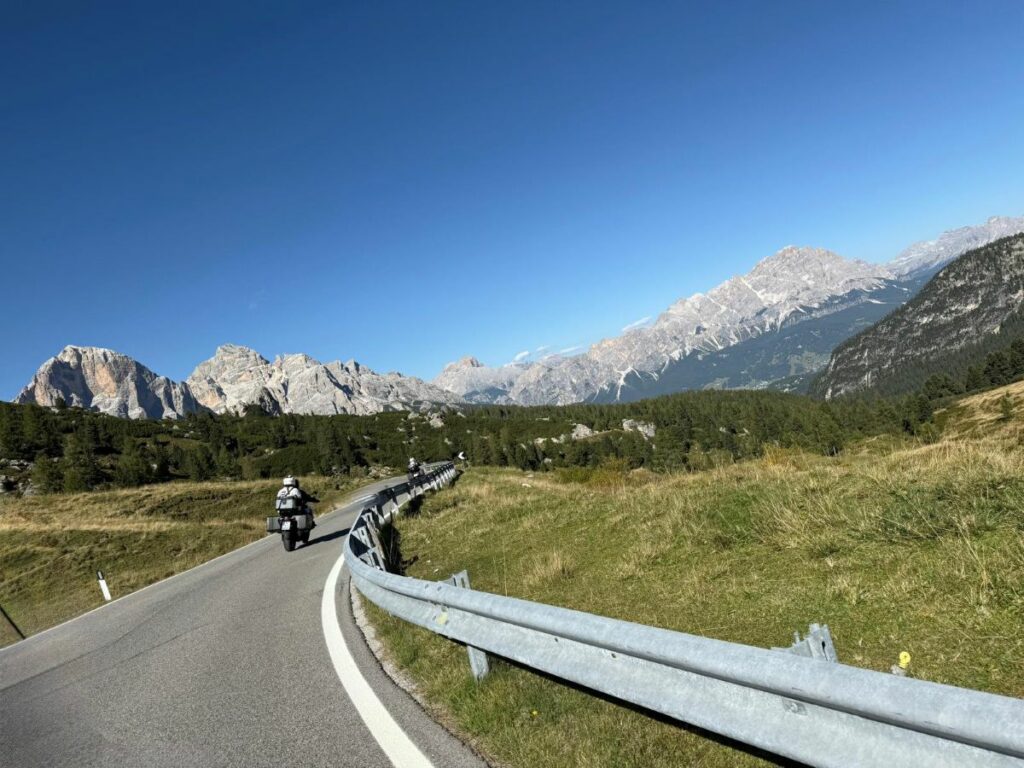
Safety in the mountains is a real issue. The roads are sometimes narrow, sometimes without guardrails, with steep drop-offs not far away. There are animals, cyclists climbing at six miles per hour, cars cutting corners without much visibility. And above all, there is fatigue. Real fatigue. The kind that shows up without warning after several intense days. The best protection is not only your gear, it is also humility. Knowing when to stop, shorten a stage, accept that you cannot do everything.
Mountain riding also requires adaptation. You quickly learn to look far ahead, to anticipate, not to enter corners too fast, to use engine braking on the descents. You learn to be smooth, precise, fluid. It is not aggressive riding, it is intelligent riding. The more relaxed you are, the more you enjoy it.
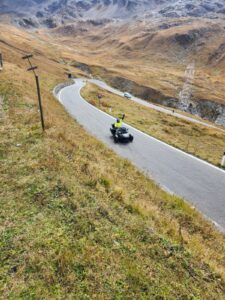
Then there is this uniquely European feature that changes everything: within just a few hours of riding, you can cross into another country. You move from France to Italy, then to Austria, you pass through Switzerland, and end up in Germany or Slovenia. Each border brings a new language, new food, a different way of experiencing the road. It is this blend that makes Alpine trips so rich and so unique.
How to travel?
And finally, there is the question of how to travel. Setting off alone, in complete freedom, or riding with support. Traveling solo is exhilarating, but it requires a great deal of energy. You have to manage navigation, weather, unexpected situations, accommodations. Traveling with support allows you to focus solely on the pleasure of riding. The routes have already been tested, the hotels are rider-friendly, the pace is balanced, and assistance is available if something goes wrong.
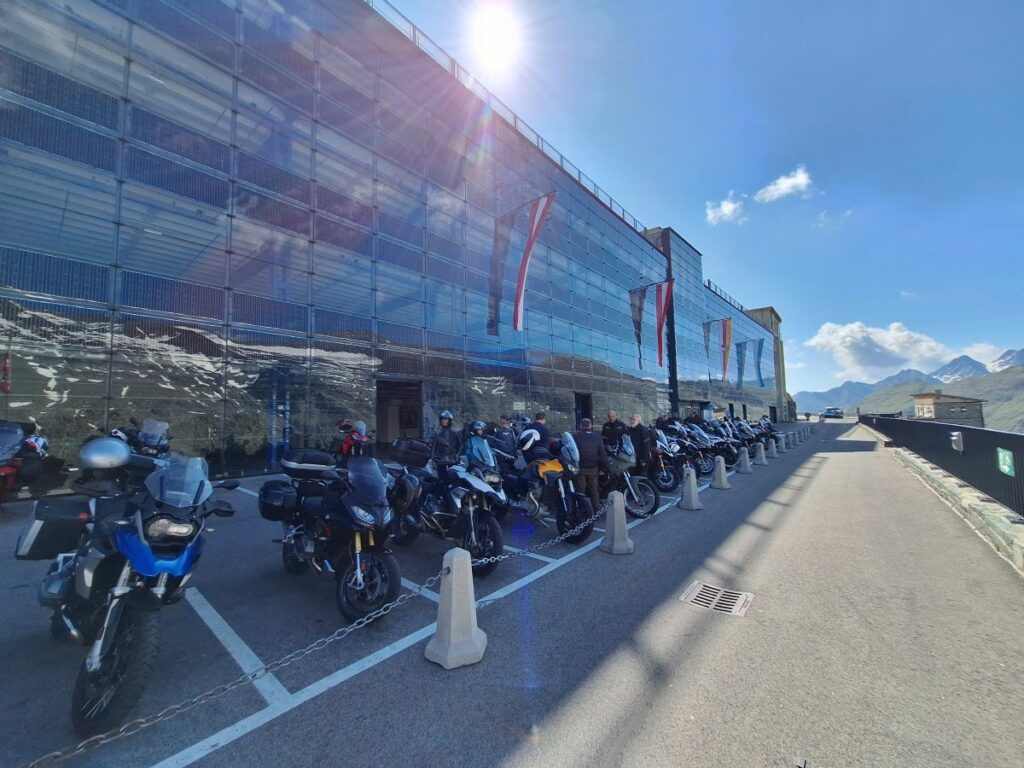
Traveling in the Alps by Motorcycle with Ride in Tours
That is exactly why we have built our tours at Ride in Tours. So riders can experience the Alps without worrying about logistics. Guided tours for those who want to relax and follow the lead, or self-guided options for those who prefer to keep their independence while benefiting from optimized routes. For those coming from overseas, we also offer motorcycle rentals perfectly suited to European roads, ready to ride, fully equipped and insured. And for long-term travelers, our buy-back service allows you to ride in Europe for several months without constraints.
Our Alpine Tours, Available as Guided or Self-Guided Options:
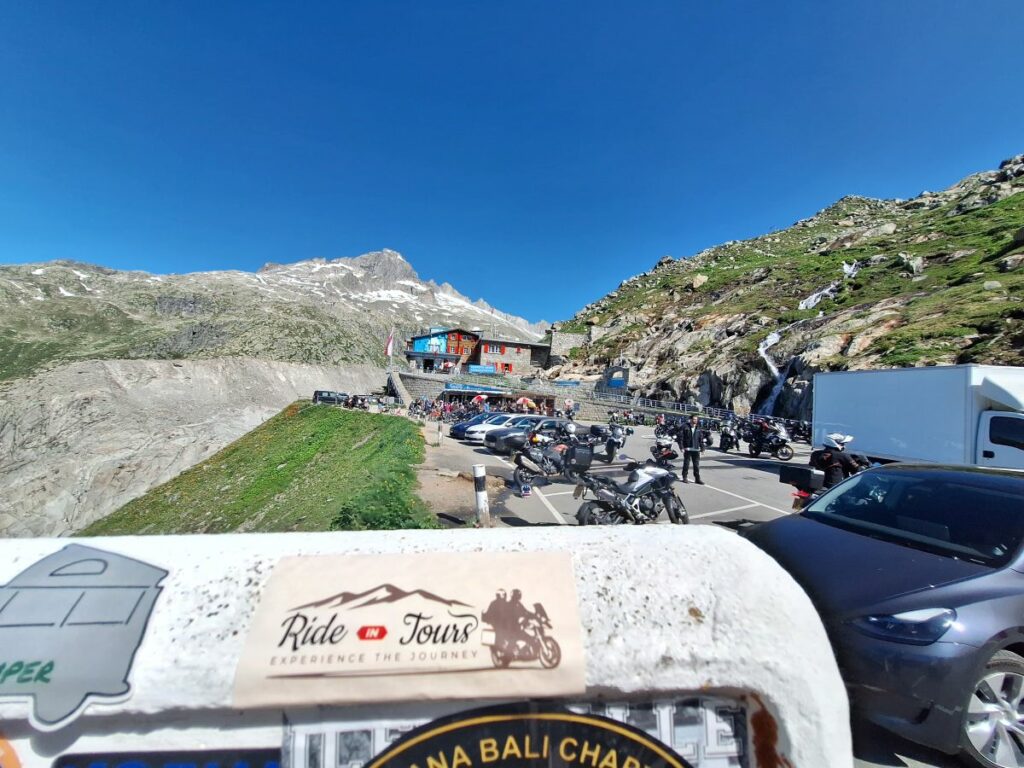
The Alps are not a destination like any other. They are not a frozen postcard. They are a living playground, sometimes demanding, often magical. When properly prepared, it is probably one of the most beautiful journeys a rider can take in a lifetime. And that is exactly what we aim to share: a true road experience, not just a route on a map.
Checklist for Riding the Alps by Motorcycle:
Key Things to Keep in Mind:
- Take your time riding and accept that the Alps cannot be covered at the same pace as other parts of the world.
- Choose the right season, with open passes and reasonable traffic, to truly enjoy the roads and scenery.
- Plan for versatile gear capable of handling sun, cold, rain, and temperature changes, even in the middle of summer.
- Adjust your route according to the weather and be willing to modify your plan rather than push through at all costs.
- Select a comfortable, manageable, and well-equipped motorcycle, better suited for several days of switchbacks and elevation changes.
- Ride smoothly, anticipate, look far ahead, and maintain a safety margin at all times.
- Schedule regular breaks and accept slowing down to manage fatigue.
- Consider a guided tour or a turnkey option to focus entirely on the pleasure of riding.
Common Mistakes to Avoid:
- Underestimating the difficulty of Alpine roads and the physical and mental fatigue they create.
- Trying to cover too many miles, too many passes, or too many countries in too little time.
- Arriving with a poorly suited motorcycle, too heavy or too extreme for several days of mountain riding.
- Neglecting proper gear, assuming that summer guarantees consistently good conditions.
- Ignoring local traffic laws, enforcement, and the specific regulations of each country.
- Riding with the same habits and pace as in your home country.
- Pushing on when the weather deteriorates instead of adapting or shortening a stage.